


Frequently Asked Questions
What do the shank numbers on Capezio pointe shoes actually mean?
The numbers refer to the shank's flexibility and support level, with lower numbers generally indicating a softer, more flexible shank, and higher numbers indicating firmer support. The right number for your feet depends on your arch strength and how much resistance you need through demi-pointe, so it's worth adjusting gradually rather than assuming one number fits every foot.
How is a Capezio pointe shoe different from other numbered-shank brands?
While several brands use some form of shank grading, Capezio's numbering system is applied consistently across their models which makes it easier to move between shank strengths within the same shoe as your needs change. This can be more predictable than switching between entirely different shoe models to find a different support level.
Which Capezio model should I start with if I'm new to the brand?
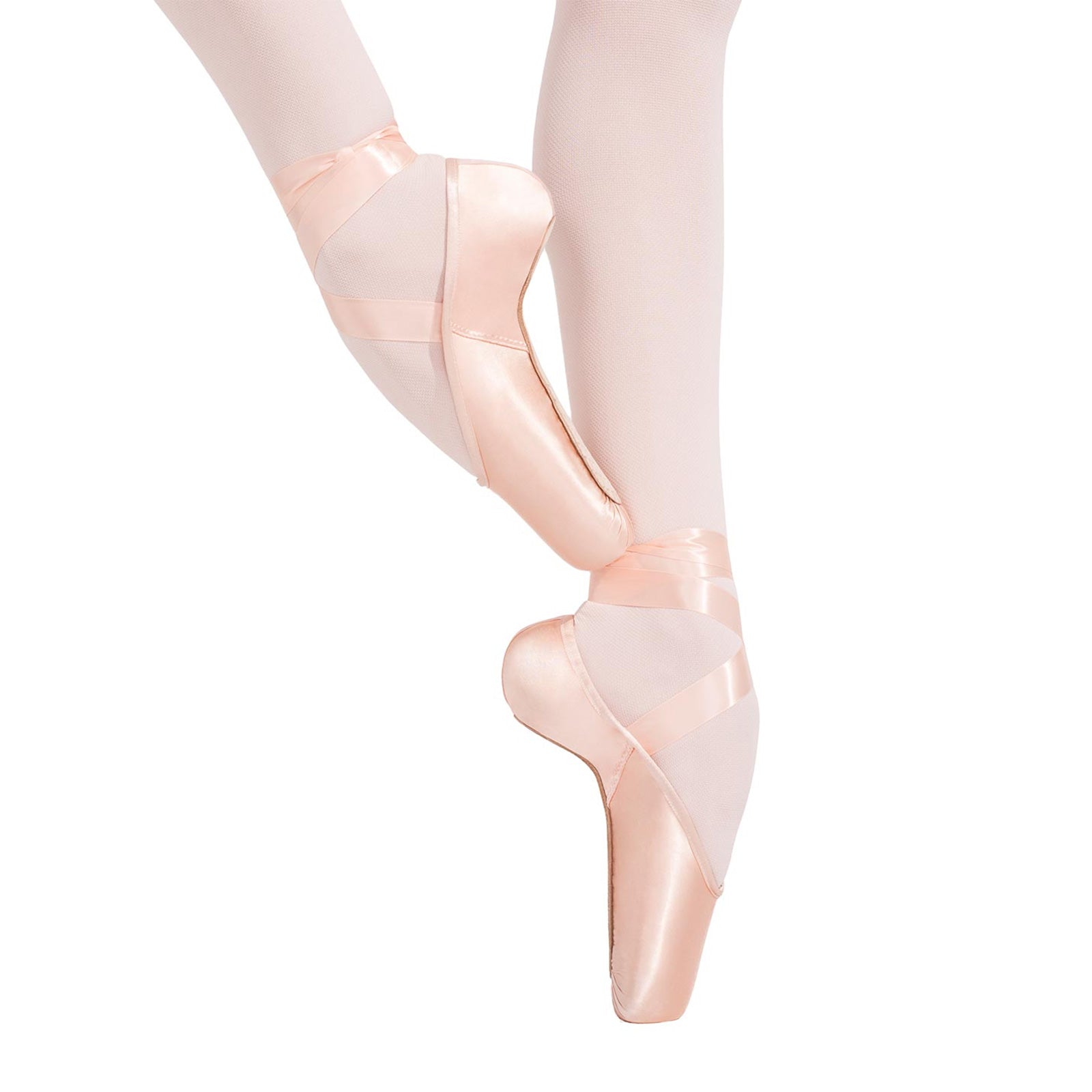
Choosing a model will depend on the shape of your foot, among other characteristics. The Ava pointe shoe is best suited for broader feet, while the Developpe is best for feet that are slightly more tapered. Starting with a mid-range shank and adjusting based on how it feels in class is generally the safest approach.
Does ordering five or more pairs require them to be the exact same size?
The 20% off applies to five or more pairs of the same model, though sizes within that model can vary to accommodate different dancers or growth over a season. It's worth confirming your exact sizing needs before placing a bulk order.
Do Capezio pointe shoes need to be broken in before wearing them to class?
No. Capezio pointe shoes will likely need to be broken in to each dancer’s preference before a performance, but traditional pointe shoes are best broken in by wearing them during class or rehearsal. Regardless of model, ribbon and elastic need to be sewn on, and many dancers also use a small amount of shank-hardening product to extend the life of the shoe.